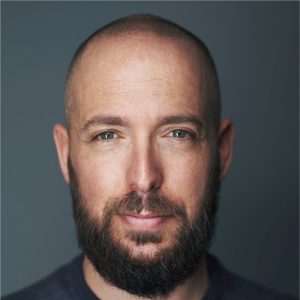
Talofa Games: A Gaming Platform Invigorating Entertainment, Fitness, and Mental Health With Jenny Xu
Jenny Xu is the Founder and CEO of Talofa, a video game platform inspired by her interests in running, fitness, and gaming. She hopes Talofa can help gamers improve their mental and physical health through play. Jenny is also the Founder and former CEO of JCSoft Inc., an independent game company that creates experimental horror-comedy mobile games. While at JCSoft, she collaborated with Niantic — the developer of Pokemon GO — to design new augmented reality and location-based gaming experiences for their platform. In addition to being named a 30 Under 30 Honoree by Forbes in 2018, Jenny is a member of Persistence, a professional women’s group for executives and founders in tech.
Here’s a glimpse of what you’ll learn:
Jenny Xu discusses Talofa Games and the science-based techniques it employs
Case studies of how Talofa changed players’ lives mentally and physically
How did Jenny turn her passion for gaming into an entrepreneurial journey?
30 Under 30: Jenny expounds on how she achieved one of her bucket list goals
Niantic’s role in securing funding for Jenny’s startup — and learning the art of the pitch
Jenny explains why she’s passionate about fitness
In this episode…
There are several myths about video games, including their adverse effects on sleep, relationships, and mental and physical health. However, many games defy this negative stereotype. In fact, many game developers create games that promote fitness and mental health.
At the age of 12, Jenny Xu created her first video game, a feat she would continue throughout high school. Despite being recognized as a Forbes 30 Under 30 honoree, there was a time when she felt she had peaked too early. However, when Jenny experienced bouts of melancholy, she knew she could always turn to fitness to improve her mental state. Her most recent game production, Talofa Games, is an homage to fitness and mental health. Unlike traditional games controlled with joysticks and buttons, Talofa is activated by body movement and speed, which is scientifically proven to release dopamine and produce feelings of euphoria similar to a runner’s high.
In this episode of the Here’s Waldo Podcast, Lizzie Mintus interviews Jenny Xu, Founder and CEO of Talofa Games, to discuss how gaming can encourage fitness and mental health. Jenny shares case studies, how she turned her passion for gaming into an entrepreneurial journey, and Niantic’s role in securing funding for her startup.
This episode is brought to you by Here’s Waldo Recruiting, a boutique recruitment firm specializing in the video game industry that prioritizes quality over quantity and values transparency, communication, and diversity. We partner with companies, creatives, and programmers to understand the why behind their needs and provide a white-glove experience that ensures a win-win outcome.
The industry evolves. The market changes. But at Here’s Waldo Recruiting, our commitment to happy candidates and clients does not.
We understand that searching for the best and brightest talent can be overwhelming, so let our customer-first staff of professionals do the leg work for you by heading over to hereswaldorecruiting.com.
Episode Transcript
Intro: Welcome to the Here’s Waldo Podcast, where we sit down with top visionaries and creatives in the video game industry. Together we’ll unravel their journeys and learn more about the path they’re forging ahead. Now let’s get started with the show.
Lizzie Mintus: Lizzie Mintos, founder and CEO of Here’s Waldo Recruiting, a boutique video game recruitment firm. This is the Here is Waldo podcast and every episode we dive deep into conversations with creatives, founders and executives about what it takes to be successful. You can expect to hear valuable lessons from their journey.
I get a glimpse into the future of the industry. This episode is brought to you by Here is Waldo, recruiting a boutique recruitment firm for the games industry. We value quality over quantity, transparency, communication and diversity. We partner with companies, creatives, and programmers to understand the why behind their needs.
We provide a white glove experience that ensures a win outcome. Before introducing today’s guest, I want to give a big thank you to Linda Chen for introducing us. Thank you, Linda. Check out the podcast episode with her. It is a treat.
Today we have Jenny Xu with us. Jenny is a long distance runner, programmer, gamer, fitness instructor, Forbes 30 under 30, Games Recipient, and the CEO of Talofa Games.
She started making games and running at age 12 and in her 12 years in the game industry, she’s chipped more than 10 titles on the mobile app store with over 9.2 million downloads. She later co-founded the gaming studio Talofa games, which just launched a mobile fitness battle game called Run Legends.
Let’s get started. Hey, Jenny. Thanks for being here.
Jenny Xu: Yeah. Thanks for having me, Lizzie. Very excited to chat.
Lizzie Mintus: Yeah. You tell me a little bit more about your company for anybody that’s not familiar.
Jenny Xu: Yes. So I started Talofa, because of my love for both fitness and gaming. Having done games for ever since I was 12 plus having been a long distance cross country runner for almost my entire life.
The goal of Talofa is to make players more mentally, physically healthier through play. So a lot of the reason we exist is for that purpose and also why the first game that we made was for gamifying walking and running and just getting people out the door.
There’s something powerful about games that can be used to actually be an incentive for people to do things that they never wanted to do taking care of their health. Or they want to do it, but it just that external push that we’re really trying to use, by science back techniques as well as game design philosophy to really merge into something that feels aligned in both the intent and the execution and the fun.
Lizzie Mintus: Will you tell me about the science based techniques that you’re employing?
Jenny Xu: Yeah. For one, Run Legends is a fitness battle RPG game. The way it works, which ties into the fitness or the science back part of it is that when you play the game, you have essentially two buttons you can press. It’s pressing a or B in a game, but by going fast, you’re pressing one button and by going slow, you’re pressing one button.
So your speed is actually the controller to the game. There’s no physical button presses. So just like in a fighting game, like in order to activate your skill. Now you’re sprinting or you’re jogging and then you’re slowing down. So just gamifying the act of going faster and slower, it’s scientifically back to induce what people call the runner’s high.
That feeling of euphoria and dopamine and just happiness is something that you do when you go fast, slow, fast, slow, exerting up to 85 percent of your max and like continuously going back and forth. That was one thing where we’re like, if we can gamify the process of getting to that enjoyable feeling, then people want to stick around a lot more because they’ve got both the dopamine rush of winning the battle. Plus The dopamine rush of the True Runners High, and also there’s like an element of hit training that we’ve themified, where going fast for a period of time, going slow, that’s very classic high intensity interval training. And by making that the way that you optimally fight in the game, people are more thinking like I got a sprint because I have to take down that enemy. When I go fast, I’m dealing damage. Let me just crush the enemy that they only have two HP left. So that gaming feeling is tied together with that fitness benefit.
Lizzie Mintus: I know you have success stories from people that have gotten fit from your app or changed their life.
Are there any that stick with you that you could share?
Jenny Xu: Yeah. There’s this story that I remember hearing from one of our players in Discord. He was one of our longtime mods and had followed the game for a while. In the last year, that was super early. It was like beta, but just hearing his story; he had always been fit all his life and then ended up becoming much more of a sedentary once he had a child and always long to be fit again. But he felt like he couldn’t do it anymore because he had lost the motivation. He said by playing the game and having this battle experience and feeling this sense of accomplishment through the game.
He finally got to the point where he was actually going back to he saw his body transforming back to when he was in that prime state. And just that level of joy and the fact that he could find himself again was super touching. I was like, my goodness, we’re helping this person never thought they’d be fit again in their life. So that was definitely one story that really resonated with me.
I think one other one was, I guess this person who mentioned just losing six pounds with the game in just one month and just seeing that level of impact was really cool. He was, every day, posting a screenshots of the game.
Hearing what that actually did was really awesome too.
Lizzie Mintus: That’s really rewarding. Tricking people to enjoy fitness. Gamifying, I guess you could say.
Okay. I want to hear more about your company and starting it. But before I want to back up and talk about your overall background.
So graduated from MIT in three and a half years with a 5.0 GPA. And then it looks like you started your first company, DeviantArt in 2011. Can you talk to me about your entrepreneurial journey?
Jenny Xu: I started making art for DeviantArt. So that was the way that the company was started.
DeviantArt was just this community posting, or a site where it was a community of artists. So I’d say posting there is like a creator is like early creator days. So my company, JC soft kind of spun out of the work that I had posted on the site. And I initially was on Deviantart because I just love neopets.
And then I love Pokemon. I was following a lot of artists on Deviantart. So I ended up posting my own stuff on the site when I was 12 and technically under the like terms of service age. I just loved the artists there and I didn’t want to just be somebody who stalked others on the site posted my first fan art on there.
And then those fan art things turned into animations turned into interactive animations, which I realized were games. I made a bunch of Pokemon fan games when I was 12 and it was all really dumb stuff. It was like, Oh, let me make a game where you click on a Pokeball and the Pokeballs moving really fast. It’s really hard to win. But those games are so fun to put online and share with the community because I was one of the only people making games on DeviantArt. Those games have become the top on the trending page of DeviantArt, and then I take those games and put them on the app stores.
I was a solo dev at the time, so I was doing the art, I was doing the coding, the marketing, everything. And some of those games, Jump Scare Factory, I put it out on the app stores and it became one of the top free games on the app stores. It was right up there, right next to the Sims.
That game, along with some of the others I created were covered by some of the biggest YouTubers at the time. I think Jacksepticeye and Markiplier made videos on the games that I’d made. And this was early 2010s. When I feel like all of that stuff was still super nascent, and I didn’t know anything I was doing. I was just like putting stuff out under a pseudoname.
Nobody knew my real identity. And they were all like, oh this guy is really good at making games.
Lizzie Mintus: Yeah, of course.
Jenny Xu: But I think it was just fun that people were just loving the things I made in the worlds I created and reading the grammar mistakes I made in the stories that I was telling through the games. Those games that I made under JCsoft help pay for my college tuition at MIT. So that was the early start and making a lot of weird, horror games. I was very thankful that. I had put out games at the time that mobile was still very nascent and very easy to go viral with zero marketing budget.
Lizzie Mintus: Yeah, what a wild story. When you were at the top with The Sims, how old were you?
Jenny Xu: I was 15 or 16, somewhere around that age.
Lizzie Mintus: And how are you dealing with this as a 15 year old? What were you thinking?
Jenny Xu: There was this moment of clarity of, this could be a career. That’s the only thought I had. What if I could do this for the rest of my life? I love this and my parents were always telling me, you can go to get a nice job in computer science. Go work at Google, go work at Facebook.
I was like, that sounds good. But then this kind of thought emerged, I’ve been making this stuff just for fun. I was like making a game every other day. Posting something online, I just thought it was just nothing, but it was making enough money that I was calculating, this would cover rent. This would literally be enough for me to self sustain. This is crazy and I’m only like 15 or 16.
I’m living in my parents home. This is all profit. So I think that was just cool. Because I was under an internet pseudoname, none of it was tied to me. None of my friends knew it either. I was just a quiet kid at school. So nobody knew that I was doing this either.
I just felt lucky.
Lizzie Mintus: So did anybody know about it? Maybe your parents told their friends or something?
Jenny Xu: Really, people only found out in college that I was making games and that they were fairly big. Since at that time I guess I was maybe more embarrassed about the games I made.
I made dating sims. I made horror games. I made anime games that I felt weren’t very cool and were cringey or niche. These are my weirdest dreams come true. Games where you’re trying to find a murderer or you’re the murderer. They were just stuff that really felt like a representation of me, and it felt very vulnerable to share that with people in my life who were separate from my internet friends, since at that time, I had maybe 10,000 or something followers on DeviantArt, which was considered high. Even someone like Linda, who I love very much, she has hundreds of thousands. That’s crazy.
I was just with my small group of 10,000 followers and those are my friends. So I think once I started finding more human friends, it was a little scary to be my full self with them and say gaming is something I do.
The moment that people truly found out about my games is when I got the Forbes 30 under 30. I actually learned about it, in the middle of my algorithms class, in junior year of college. It’s an email from somebody who’s said, I saw you on the Forbes, 30 under 30 list. I was like, what? I didn’t even know I got it.
Then it was just like a storm of emails of, Jenny, I saw you’re on this. You make games? I didn’t know that. It felt like people just found out about me without me telling anyone. So I think that sudden, pulling out of the shadows moment was that like recognition of that award.
But before I had never told anyone about it and didn’t plan to. I was forced out so it wasn’t voluntary, but I was very glad to meet more people in the industry after that point.
Lizzie Mintus: That horrible moment when Forbes outs you.
Jenny Xu: I would be so content being just like that random person who nobody knew what they did.
Lizzie Mintus: So somebody at Forbes tracked you down or you were nominated by somebody that was obviously not yourself.
Jenny Xu: It’s actually like a funny story. It was on my bucket list actually in my junior year. I thought I would love to be Forbes. And I looked it up and I saw there’s like a form. So I self nominated myself and I copy pasted my college essay. And I thought, this will never go anywhere. I would do this in for fun. And then four months later, I learned that I was on the list. So it was one of those moments where I put myself out there.
Maybe there are other people involved. I think that I definitely didn’t think it would happen like the year I put it on my bucket list. I was like 20. I was thinking, I have 10 years to do this. I was very thankful. I think there was probably some other like force at play. Somebody else that had probably nominated me because my application was really bad.
I don’t think that was the thing that made it. I do think that it made me think about, what is my public persona now that people know who I am. How do I present myself as a game dev, as somebody who people might look to and be like, that person does games I should talk to ’em.
Lizzie Mintus: How did you start that realization or process how to present yourself to the world.
Jenny Xu: I think a lot of the mentors I found along the way since college was the first time, especially after that a Forbes announcement was when I started talking to people in the industry, and I did not realize that there were real people trying to do the exact same thing as me. I was talking to people along the way heard how they were running their companies. Very early on, I met Kate Edwards. At the time she was running the IGDA and she was probably the first person in games I ever met.
And I told her, you’re living my dream. I would love to be somebody who has that much impact on the industry. So I think just like honestly emulating a lot of the people that I saw, like Kate. One other person that I really looked up to in the very beginning was Sam from Butterscotch. Having those people really take me under their wing and be like, here is how you like fundraiser, pitch publishers, and here’s how you like actually start a company.
I’d essentially show up at these events as a 20 year old when I got the word and I didn’t know what I was doing. I would like to be in games. I’ve made all these schemes that paid for my college. Kind of naively asking everyone, how did you do it? I had no shame. I asked, I also went through all the people in the MIT list of alumni who ever worked in games. I think there are 30 of them. I asked to call all of them. I had probably, 20 random internet coffee chats where I was just asking every single MIT alumni, How did you do it? And averaging out their experience and thinking, Oh, like I can do that too. That was also part of it; a huge shameless push to external people.
Lizzie Mintus: No one really knows what they’re doing at all. Even the people you think know what they’re doing are just picking it up and asking for help too. They probably did that. And I know you ended up partnering with Niantic. How did that come to be?
Jenny Xu: Yeah. That was actually at a time that I totally didn’t expect since I was in this period of time where I had no job. All my friends already accepted offers. It was like three and a half years out of college as I graduated, but I had no plan.
I thought I was going to do something and that didn’t pan out. I truly had no job and I’ve missed the window for full time job applications. And I was really depressed at the time. So I was laying down on my bed a lot thinking, what do I do with my life?
I thought I had lost some spark in me where I was thinking, why did I peak in high school? I literally peaked in high school. I made so many great games. I hadn’t had a hit in a while in college. It was A moment where a lot of people are telling me gaming is really hard. Don’t do it.
Honestly, most of the mentors were telling me, I wouldn’t do it. This industry is too hard. If I was going to go back, I wouldn’t do it. So I think just that negativity plus my own depression was really hard. But then I talked to a mentor of mine and she was telling me Niantic’s contest.
I was telling people like, I want to mix fitness and gaming cause I love these two things, but I never made a game about it. I pitched her this idea and she was like, you should totally apply to this Niantic contest. So there were five days left in the contest to apply and it was already extended a week. I wouldn’t have made it if they didn’t extend it. I submitted an application. I put me, my dad and my brother on the application cause they said that there’s a minimum team size of three. I didn’t get their consent before I did it. I was just like, they will definitely say yes. And this application is due. So I’m going to do it. Then we ended up getting in and I was like, Oh shoot.
I was like, Hey dad, brother, I accidentally signed you up for this. You want to do it? So then my dad, he was the one who fully came on board, help me out. We pitched to the CEO of Niantic at the end of that contest, like our final game and our prototype. And by some like random stroke of luck, we ended up winning, they gave us $300,000. That amount of money at the time, cause it was just me and him, it felt like significant enough to reinvest. We thought this is enough money to give it a try.
So that’s how that Niantic partnership happened. And we worked with them for another year and a half, including the contest. So they helped fund us even more beyond that contest, given our idea of a social running game that gets people outside.
That was really what got me my headstart. This really random contest and kind of the support of the team that I admired a lot.
Lizzie Mintus: How did you learn how to pitch? Just from your mentors from school?
Jenny Xu: Yeah. And a lot of trial and error. I think Niantic really pushed us to pitch and get better. I honestly look at some of my slides from when I first started pitching and I cringe because I remember putting them together having no idea what I was doing. I don’t even know how I got the green light because they were so bad.
I made up this person. Sarah is a mother and she has no time. We are making a game that gets her fit. It was really ugly art everywhere. So I think my first pitch was terrible. And then having learned a little bit like Niantic, Kelly Santiago, who was there at the time, she helped really refine our pitch and she was like, let’s practice a lot. Here’s how you should edit the slides, highlight these things. Make a really cool demo and put it here.
That process of going through Niantic screen light process helped us a ton. When I ended up going to VC backed route, that was a whole another beast. I didn’t realize the art of fundraising for investors is very different from pitching at Niantic who is a game publisher. That was a another kind of slap in the face where I pitched so many people for a pre seed or just to get some money and ended up getting almost all no’s and people who were like, you need a lot of work. Going through the real pitch process with investors is like a second level of learning where I thought I knew everything. I knew nothing.
And even now, pitching is really scary, but. I think just having a lot of mentors help out having a lot of time to practice and just real practice getting rejected was really helpful.
Lizzie Mintus: You told me the best story about pitching at Gamespeed. Do you have any other insights into how you actually ended up getting funding?
Jenny Xu: Yeah. My first round of funding was this time where we actually had three months to live as a company. We had a big team coming out of Niantic and having no more funding from Niantic, I had to essentially let go half of my team at the time. We went from like a team of 17, which is crazy because I was a 23 year old running a 17 person team of everyone older than me.
I already thought that was crazy. But having to kind of fire people or let people go at that age, too, is very emotional. And then also with the pressure of honestly, when we ran out of Niantic money, I heard later on that my team had calls where they were saying bye to each other because they thought it was the end.
And they’re like, we’re never going to work together. It was a good run. I’m so glad that we were together on this team, which we love so much. And I was just in let me solve this problem mode. I actually ended up having a lot of success cause the only person who ended up saying yes, when I did all those pitches, was somebody that I met through a fitness class that I taught. I was running this like fitness program during COVID called Abs with Jenny.
It was a online zoom five minute abs class and. I invited all my friends, and their parents, significant others, tinder matches to join. So there are 800 people at this point who have come to Abs with Jenny and one of them happened to be a VC. She ended up telling her other VC friends that they should talk to me and I didn’t think it’d turn into investment, but they were our first check in and it came in a really random way.
So that was how we got started. And we raised like two other rounds after that one. But the first check was definitely the hardest and also at a time where we were really desperate. It was so obvious how desperate I was. From one conversation, I was like, I only had three months of runway. So I really got lucky and learned that if I didn’t come in with a lot of confidence, it was obvious. That kind of made me self reflect a lot and coming in with more confidence, presenting myself in a way that inspired confidence, not just presented it.
Lizzie Mintus: How do you train yourself to inspire confidence in a pitch?
Jenny Xu: For me, a lot of it is that I cannot be confident without truly believing in it. When it feels authentic, it’s the easiest. So for me, it was finding certain things that I was really proud of and anchoring on those.
We are really proud of the fact that we had Niantic’s backing and Niantic’s funding. Hammering on, I have made games for my entire life. I’m really young, but I went to MIT, studied computer science, have this unique background in fitness and gaming. The background was something unshakable.
You can’t be unconfident in your past cause it already happened. Really shifting to that and selling my background was how I ended up pitching my first round. Just believe in me. And at that early stage, it is all about the founder. So I think that was really how I learned to be more confident and now I can be more confident in things like certain stats we’ve hit or certain milestones like getting featured on the app stores.
But the first round, you don’t have any of that. So it’s truly just confidence in yourself
Lizzie Mintus: Yeah, and doing a thing that you are so passionate about.
Jenny Xu: Exactly. Raw passion. When people would ask me, why are you doing this company specifically? That answer also comes out very authentically. I love fitness. I love games. I taught fitness. I got certified as a group fitness instructor. This is what my life is for. That type of message rings true.
But if I’m talking about oh, this market is so large and this is a billion dollar opportunity. It’s much harder to say that with as much confidence as I do in my passion.
Lizzie Mintus: Conviction is huge. You had 17 people, you cut your team in half, and then where did Speedrun come into this?
Jenny Xu: Yeah, it was super random. I went to GDC in this year and that’s where I met some folks on the Andreessen team at a party they were hosting.
I just remember meeting one of their games team members at the party and he said, you should totally apply for Speedrun. You’d be perfect for it. I remember thinking, he probably says that to everyone. I don’t think I’ll get in, but I’ll definitely try.
I ended up throwing in an application kind of last minute, hearing about it at GDC and getting a follow up email from Andrew Lee and their team there. We ended up getting selected for the next round interviews and there’d be some super intense interview.
I remember coming out of that thinking I totally failed. My whole back was covered in sweat. I really wanted to get it but I didn’t think I got it. Then getting the call that I got in made me so happy because we are also months away from running out of money and Speedrun happened and we just got that investment. And it was like, thank goodness for me.
Just the whole process of going through Speedrun while also launching a game at the exact same time was great, but also so stressful. I almost convinced myself to not join Speedrun because of the timing, but it ended up being really good.
We launched the game in the middle of Speedrun, had demo day, ended up having a lead offer for our next rounds. In the middle of speedrun too, he negotiated that and then by the end of Speedrun , it had all really come together. I did not expect it to go as well as it ended up going, given just the market has been really hard.
And I know a lot of my friends have struggled to get funding. A lot of it was luck in timing, but also I’ve always had this belief that, if I put my mind to it, it will happen. Never giving up, even though had so many no’s. I pitched like a hundred people for our seed round.
I ended up getting yeses from five people or something like that. So it was just like a hundred pitches later. I was just pitching so often that I couldn’t even keep track at some point. But it was just never giving up even after a hundred pitches.
Lizzie Mintus: Yeah. I think the Canva founder was no’d so many times. Look at Canva. look at your company. It takes persistence. And I can relate too. Just ups and downs. It sounds like every time you’ve been close to running out of money, you put yourself out there, but then from that, something happens. Everything comes together and you’re able to continue.
Jenny Xu: It’s always this like thing where I never regret continuing to keep pushing. I guess what I truly believe is that people don’t get lucky. You just put yourself in enough situations that you get lucky because you’re there when the right combination of opportunity, timing, and you coming into the picture is the perfect match. And then that lucky moment happens.
And I think for us, when I entered the Niantic contest, winning that one, and then getting through green light, getting that first check, and then having our second round, like almost not come together. Having our third round of funding finally come together. Each of those moments, right before I had many thoughts of should I give up?
I remember actually the last GDC 2022, I actually was talking to some gaming founders. And then, spontaneously while talking about my game, I just started crying because I was thought, I don’t know why I do this anymore. I don’t have passion anymore. I’m always just pitching. My game’s going nowhere. Nobody’s playing the game. There’s zero product market fit. That moment of, I hate what I’m doing; I still remember feeling that 2022, but now a year and a half later, knowing that if I’d quit then I wouldn’t have done Speedrun.
I wouldn’t have met all these amazing people, like Linda and the rest of the speed run folks. I wouldn’t have met you. It just crazy how that difference happened and people who met me in 2022, meet me nowand tell me, you’re just a different person.
And true because I think that the amount of learnings I got from going from rock bottom, to a point at which I still feel like we haven’t figured a lot of stuff out. We haven’t necessarily found complete product market fit, but we have some traction and some cool numbers to share.
Our sItuation is the same. The company still needs to prove a lot. But working through those emotional battles and coming out on the other side still motivated. I think I refound my passion for games and have grown better as a leader, through that whole process of death and not death.
Lizzie Mintus: Yeah. It’s a big process. I went to a conference and the founder of Remotely was talking, he’s 36 and they’re a unicorn. And he said that some days, actually within an hour, he’d say, this is the best day. My company is doing so well. And then an hour later, he would say, nope, I’m going to have to shut my whole company down.
You just have to manage the ups and downs. Which I think is true. I like what you said about, I think this is true too, the harder you work, the luckier you get. The harder you work and the more you put yourself out into these situations.
If you tell yourself it’s going to work and you have that focus, then maybe you see opportunities that you wouldn’t also see. That’s my life outlook.
Can you tell me about fitness? I’m curious about your passion for fitness. And I saw that you invited some of your investors to various bootcamps. When we went to Gamesbeat, you were saying, I have to go to Soul Cycle afterwards. So I love your dedication.
How did this come about?
Jenny Xu: I love fitness. If anything, I put my confidence in myself and fitness. My company might not be as successful as yours, but I can beat you in a mile. I say that to myself mostly because I’m somebody who’s hyper competitive. I think that is a really good thing as a founder, but it’s also really depressing sometimes.
Because you’ll never be the best and I think even just comparing is like the killer joy. So I take out my competitive spirit in my fitness. And I started swimming very early on. So I started swimming competitively at age nine. I stopped when I was 13, but I really didn’t like the water. I didn’t like getting wet. And it was a weird thing to be a swimmer and not liking getting in the water. This is so much effort getting into the water, like me putting on a swimsuit. So then I learned about running in middle school. Cause there is this thing called like the pacer test. Where you run back and forth and hear the beeps and you have to get to the other side before the beep happens. So I was doing the Pacers test one day in middle school in sixth grade.
I found out it was so much fun. Eventually I was the only one still in the game. It felt like a a survival game. Basically PE class ended and I was still running back and forth and like hitting the taster test because it was getting faster and faster. At that moment, my PE teacher was like, do you like want to try out for track and field? So then I ended up doing my first track and field race and the first mile I ever ran, I got a 5:30 in sixth grade. So I was like, Oh shoot, I guess that’s an okay time.
Then I went full in. Let me actually train in running and see what I can do here. I didn’t think I’d be in high school athlete, but I got recruited by my PE teacher and ended up running a ton in middle school. Then I ended up like joining cross country track and field in high school too.
I actually, in that period of time really didn’t like running. I think I was just good at it. There is some level of talent and then there’s people who like try really hard. I was just talent and I really took my speed for granted. I won almost every single race I was in.
It was like this weird situation where I developed this love hate relationship with it where I loved winning, but I hated practice and I hated being on the team. The amount of stress I felt before every race was crazy. I was told, this is your ticket to college. You have to win because then you would go to the best colleges, get recruited by the best teams.
So I spent a lot of time on fitness, more so than school. I didn’t like it at all. I didn’t interact with the team that much. My coach was great, but I don’t think I was a good team sport either.
I’d cry every time I lost. So I was way too competitive. And then, I got recruited to MIT. I think that’s why I got it in through sports. Being on that team was really humbling because being in a college sport, you’re no longer the best. Everyone on the team was recruited for being the best at their school.
So then I was coming in like 200th place at nationals and that was super humbling. I’ve been so used to being in the single digit places. What is 200th place? I was almost the last place in that race and I was extremely humbled. So I think after college and just having done that program, we were doing like 70 miles a week.
It was really intense. I only started to love running once I quit the team and ended up doing things where it was fun and it was social. I didn’t have to run just to win. I actually loved the feeling of running. It’s like rediscovering my love for fitness and realizing how much joy it brought me.
Really made me want to do something in that space. So that’s where that love of like fitness came from and things Barry’s Soul Cycle, all these boutique fitness programs were some of the ways that I got really motivated.
So it’s like, how do we bring Barry’s bootcamp level of fun to a game? That’s a lot of how my journey to fitness has been. I guess also some level of insecurity with how I looked or my physical appearance and I was always really upset about the way I looked. I really thought that fitness was an outlet for that but it was unhealthy. So I started learning more about nutrition and having a more healthier attitude towards exercise throughout my post-college life, too.
That journey, too, if there is a way to bring that into the stuff we create as a company, those are messages I’d love everyone to learn, the less painful way that I did.
Lizzie Mintus: I’m really into fitness, too. We should do fitness together sometime.
I’m really into Pilates right now, specifically the Liguri. I do it a lot. It’s culty, but I really think for me personally, and what I’ve seen in so many people in my life is that when your fitness is consistent, the rest of your life is consistent. For at least for me personally ties together. If I work out regularly, my mental health is better. My whole life, I would say is just better.
Jenny Xu: The inertia is very high to like getting into a very consistent routine. But the moment you do, feels great. I remember talking to people and they were saying, I just love being fit, because you just feel great, look great. And it’s so easy to continue.
But then, they are not fit. And they relish those days and just want to get back to that. That routine because it’s easy to continue but so hard once you’ve fallen off a single day.
Lizzie Mintus: Totally. And there’s a lot of things with work or life or fitness where you know the thing you need to do. You know you need to work out and you know you’re going to feel better when you do it, but you just have this blocker around you. But if you gamify and you’re just playing a game, then you’re in on it.
What do you wish you knew when you started your company? What do you know today that would be helpful to know besides pitching.
Jenny Xu: I do think a lot of it is finding the right people. I think that I spent a lot of time really undirected for most of my career. I was just making stuff with my head in the dirt. I just wanted to make the best game possible. But what I’ve learned across the years is, it’s not just about the work you do, but about the network you create and the people you meet surprise you in ways that you can’t do by just grinding it out on your own.
I was a lone wolf for most of my career and I actually thought very naively I’m better alone. I don’t need a team. Like I don’t want a team. I don’t want to meet other people because I just want to spend all my time making stuff and I’ve always been wrong. Every time I thought, I don’t have enough energy to go to Gamesbeat, I was surprised.
It’s really the power of friendship and people in the industry who you can share stories and share shortcuts. In a lot of ways, I did forge a lot of my initial career blindly and I didn’t have to if I just asked for help.
So I think learning to ask for help is really important. I were to tell myself, people will leave you and that’s okay. That learning I learned very recently, but I used to cry every time people would leave my team. Or I would lose some opportunity. That would always hit me the hardest because it felt like a breakup. But multiple people can break up with you because you have lots of people at a company.
Knowing now, it’s actually good to have some turnover and people better come in. And that type of growth was also something I learned along the way. Now I feel a lot more okay with change and okay with things also not going my way because I’m not able to predict the future as much as I used to think.
Early on in my career, I was at the very start of the Dunbar’s curve and now I’m like on the other side where I feel I literally didn’t know anything when I started and now I’m much more. able to ask for help and even more aware of how little I know about everything that I always feel I’m right back at the start. I’m just as in need of help as I first started.
Lizzie Mintus: Everyone needs help. I met with my friend yesterday who has three different massive businesses, the most successful person I know.
And he was telling me about his mentors. They’re even more successful, but everyone needs help.
Do you have any teasers about what we can look forward to seeing from you and your company?
Jenny Xu: We’re dropping a new trailer soon for RunLegends, which is really exciting, alongside the biggest update we’ll have for the game.
And I’d say look forward to that in the new year. We’ve just got a few months left here and we’re cooking up some really cool stuff. If you download RunLegends today, you’ll get that big update when it comes out. We’re really excited to show that off and we’re also cooking up kind of new ideas behind the scenes too.
I guess follow and find out what it is. I feel really lucky to have a team that honestly is really supportive, really healthy. I learned more from my team often than what can help them with because I’ve hired people who are much older than me, have more experience. Just that amount of mutual learning that I find for my team, I think we’ll cook up some really cool things in the new year.
Lizzie Mintus: I’m excited. I have one last question before I ask it. I want to point people to your website at T. A. L. O. F. A. Games dot com. My last question is, what do people not know about you?
Do you have any strange quirks or hobbies or anything that would be unexpected?
Jenny Xu: Yeah. I’m really into like really dark, psychological horror, niche, weird anime and manga. That’s like what I love so much. So I’ll always take recommendations for the most messed up stuff people can find.
I used to really like true crime and stories about murder mysteries. I guess that’s not what people think when they meet me. It used to make more sense because I used to make horror games, very on brand. But now that we’re making wholesome fitness games, that has no ties to anything dark or weird. It’s often surprising. People say, I cannot believe you’re into such messed up things. But I love it. It gives me inspiration. It’s just fascinating to me when there’s unsolved crime or some really messed up things that just highlights human psychology.
I do often read up on psychology and stuff like that.
Lizzie Mintus: The psychology aspect kind of plays into your game.
Jenny Xu: So I guess it’s not that far of a stretch. It is something that I like to bond with people over to.
Lizzie Mintus: I look forward to twisted gates from you in the future.
Jenny Xu: Yeah. Yeah. Run, otherwise you die.
Lizzie Mintus: We’ve been talking to Jenny Xu, the CEO of founder of Talofa. Where can people go to contact you, follow along with your company, learn more about you?
Jenny Xu: You can follow our game account at Play Run Legends on x, on Facebook, Instagram, TikTok, and we’re also at Talofa Games. I’m at Jenny at talofagames. com. That’s my email as well as
I’m really excited to chat with people who are interested in weird horror stuff and have recommendations or just want to chat about what it’s like to be a founder straight out of college.
Lizzie Mintus: Thank you.
Intro: Thanks so much for listening to the show this week. To catch all the latest from His Waldo, you can follow us on LinkedIn. Be sure to click subscribe to get future episodes. We’ll see you next time.